
The Federal Reserve, often called the Fed, has been a subject of interest and controversy for decades. Established through the Federal Reserve Act on December 23, 1913, during President Woodrow Wilson's tenure, the Fed serves as the central bank of the United States.
The Fed is tasked with managing the country's monetary policy, regulating and supervising financial institutions, maintaining financial stability, and providing financial services to depository institutions, the U.S. government, and foreign official institutions.
The Federal Reserve System comprises various divisions, each with crucial functions. The Board of Governors serves as the central governing body, consisting of seven members nominated by the President and confirmed by the Senate. With each member serving a 14-year term, the Board ensures a rotation of perspectives for effective governance.
Other divisions within the Fed include Consumer and Community Affairs, which is responsible for consumer protection—Financial Management for handling financial matters, and Monetary Affairs, which manages monetary policies. The Reserve Bank Operations and Payment Systems oversee reserve banks, while Supervision and Regulation monitor financial institutions.
While the Fed claims its main functions include conducting monetary policy to achieve maximum employment and stable prices, critics argue that manipulating interest rates and money supply often leads to unintended consequences. Concerns over inflationary pressures and economic bubbles have raised doubts about the Fed's ability to control inflation and stimulate sustainable economic growth. As the Fed continues to wield its power over interest rates, questions persist about its long-term impact on the economy and whether it genuinely benefits the average American.
One common misconception is that the Federal Reserve can print unlimited money without consequences. However, the reality is that the Fed's money creation is closely regulated to prevent inflation and economic instability.
In July 2023, the Federal Reserve implemented its 11th interest rate hike in 17 months as part of its efforts to "curb inflation." This move raised the Fed's benchmark short-term rate from approximately 5.1% to 5.3%, reaching its highest level since 2001.
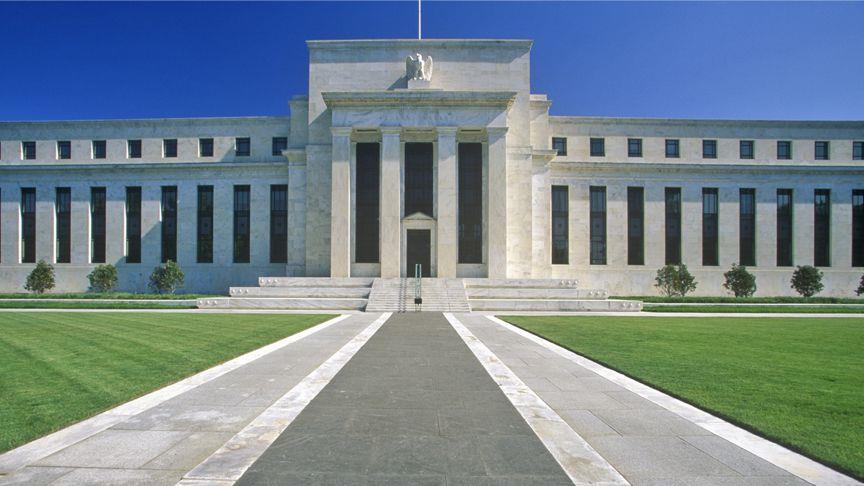 |
| Federal Reserve Bank, Washington, D File Photo |
Additionally, people seeking auto loans may face higher interest charges, leading to higher monthly car payments, potentially affecting their purchasing decisions. Credit card users may also experience the impact, as credit card companies might pass on the rate increase, leading to higher interest charges on credit card balances.
While many factors contribute to the success or failure of the economy, the decisions and policies of the Federal Reserve play a significant role. Staying informed about these policies and decisions is essential for individuals and businesses alike. To stay informed on what the Fed is doing, visit the official Federal Reserve website at https://www.federalreserve.gov/ or contact 202-452-3000 to stay up-to-date with the latest information.