

Microgrids Could Ease AI’s Growing Power Demand
VoltaGrid says its natural gas microgrids can power massive AI facilities without competing with homes and businesses for electricity.
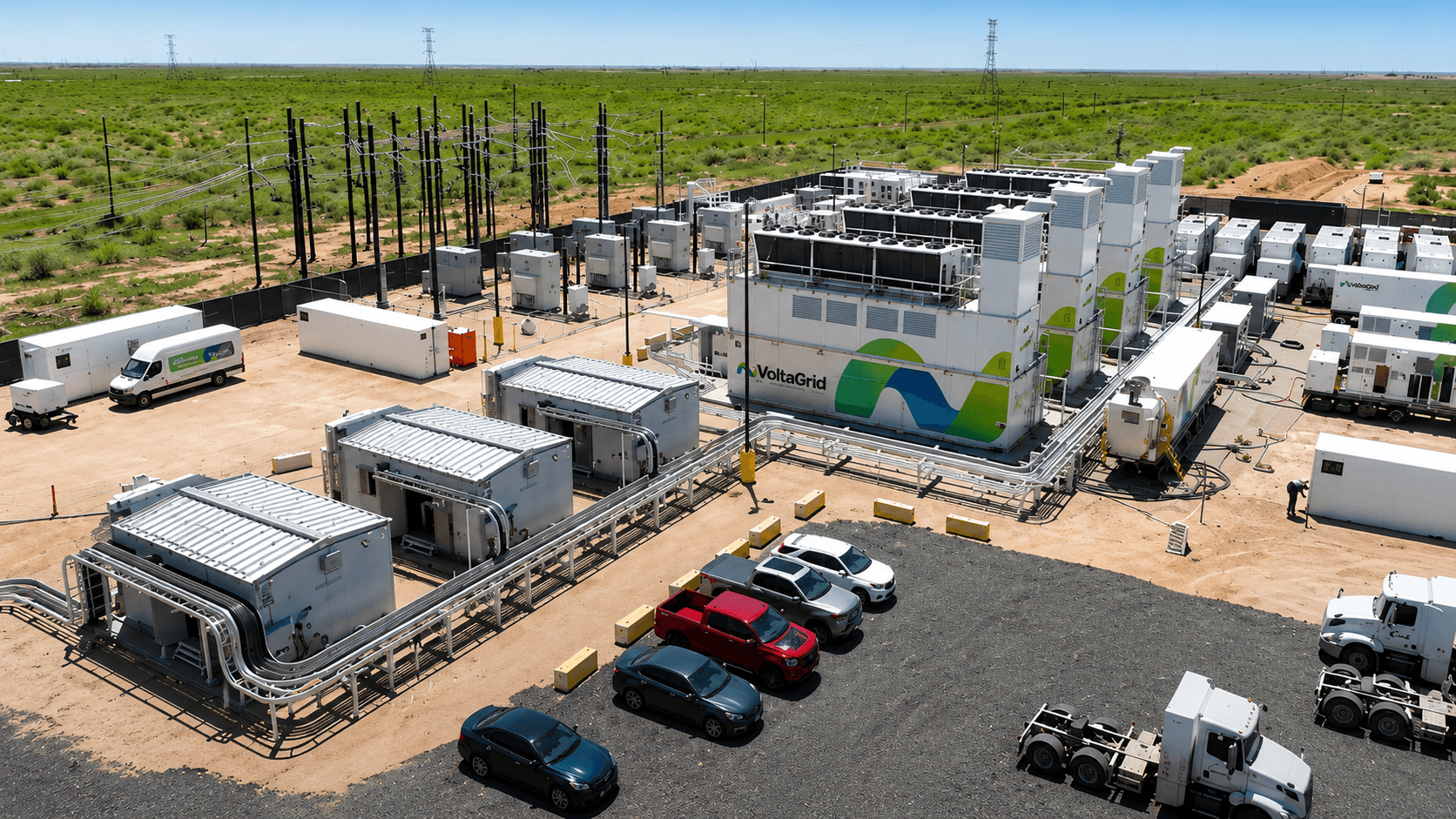
The explosive growth of artificial intelligence is creating an equally extraordinary appetite for electricity, but Houston-based VoltaGrid says data centers do not have to place that burden on the public power grid.
The company is deploying modular natural gas-powered microgrids that generate electricity directly at data center sites. Known as “behind-the-meter” generation, the approach allows massive computing facilities to produce their own power rather than drawing it from utilities.
“There is no community impact from an electrical pricing perspective,” VoltaGrid CEO Nathan Ough told John Solomon during an interview on Just the News. “There’s no blackout risk.”
Ough said one data center location requires electricity comparable to the entire city of Denver. Complicating matters, AI computing can produce dramatic swings in demand, requiring generation capable of responding almost instantly.
VoltaGrid’s technology is designed to handle those fluctuations while remaining independent of the larger grid. Its systems are modular and scalable, allowing additional generating capacity to be added as needed.
The company’s growth reflects the enormous demand. VoltaGrid has an approximately 7.5-gigawatt order book through 2030 and recently announced a $1 billion strategic equity investment from Blackstone and Halliburton. It is also expanding manufacturing operations in Granbury, Texas, including two additional plants.
The concept could have particular relevance in New York, where data-center growth and its potential impact on electric rates and grid reliability have become major issues. The New York Independent System Operator, which oversees the operation of the state’s bulk electric grid and manages its wholesale electricity markets, has warned that data centers and other large new electric loads are contributing to rapidly rising demand
No VoltaGrid project in New York has been publicly identified, but its approach presents another possibility in the debate: requiring power-hungry facilities to bring substantial generation with them rather than relying entirely on existing utility infrastructure.
“I think we’re just in the first inning,” Ough said, predicting independent generation eventually could extend beyond data centers to factories and other major electricity users.
You Might Also Be Interested In

Billions in Lost Money Waiting for New Yorkers

Parolee Murder Spree Fuels Albany Crime Debate

HIJAB HOCHUL: Governor's Headscarf Ignites Backlash